Choosing between WordPress and Laravel is rarely about which tool is better. It is about the shape of the product, the team that will maintain it, and the amount of custom behavior the platform needs to support over time.
Start With the Ownership Model
If editors, marketers, or non-technical teams need to publish frequently, WordPress gives you a strong content operating system out of the box. If the platform is primarily a custom workflow, SaaS product, marketplace, or internal tool, Laravel often gives the engineering team a cleaner foundation.
- Use WordPress when structured content and editorial workflows are central.
- Use Laravel when business logic, custom data models, and application behavior are central.
- Use both when content and custom product logic need separate strengths.
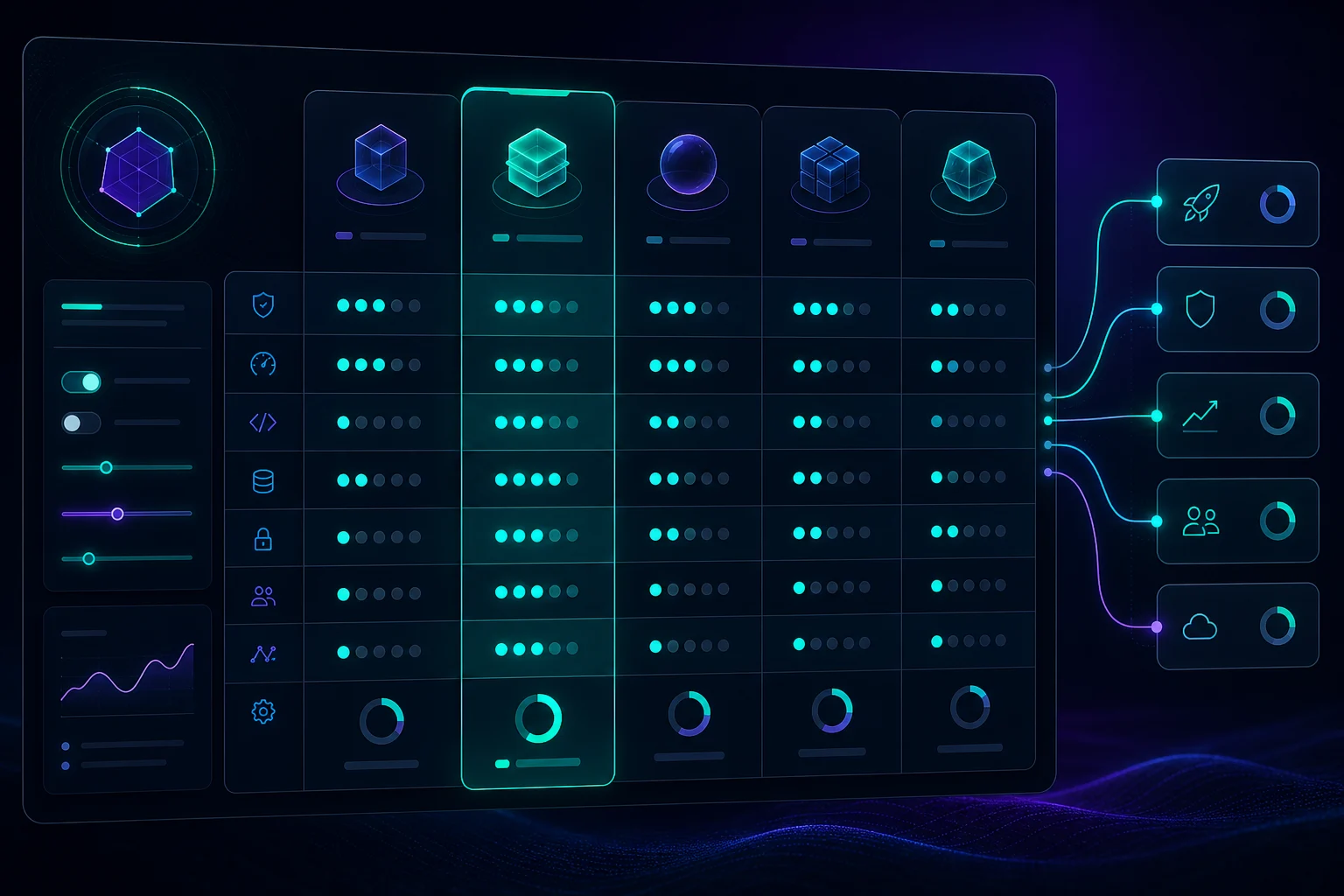
Think in Systems, Not Pages
A website can quickly become a platform. Login areas, payments, CRM sync, reporting, custom permissions, and background automation all change the technical profile. The earlier those requirements are visible, the easier it is to choose a foundation that will not fight the product later.
For a content-heavy brand site, custom WordPress blocks and a focused plugin layer may be enough. For a product with account logic, transactional workflows, and complex domain rules, Laravel can keep the codebase more explicit and predictable.
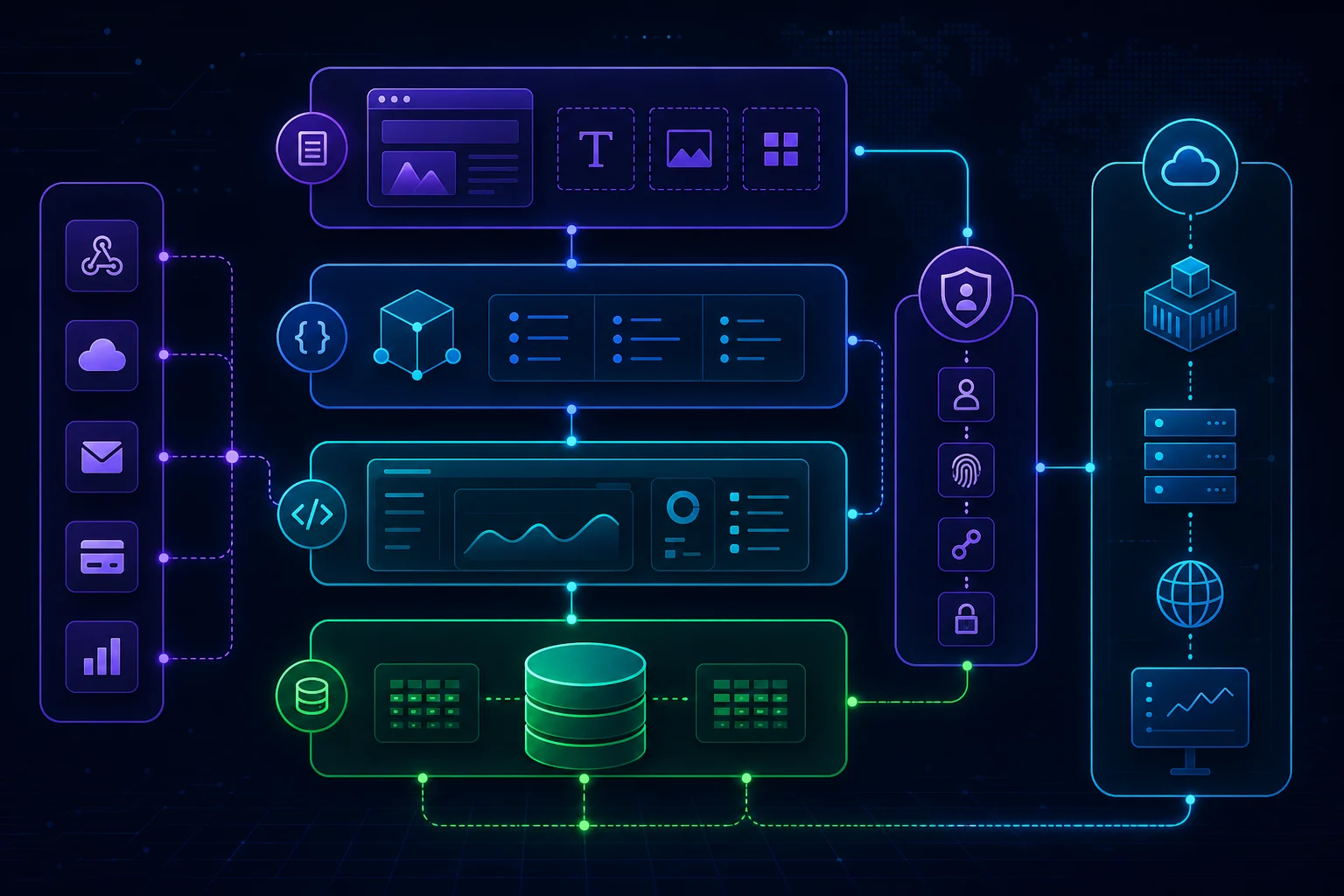
Hybrid Architecture Is Often the Best Answer
The decision does not have to be binary. WordPress can power marketing pages, resources, SEO content, and editorial workflows, while Laravel handles the application core, APIs, customer data, and integrations. This split keeps each system focused on what it does best.
- Keep public content fast, editable, and SEO-friendly.
- Keep application logic isolated, tested, and deployable.
- Use APIs and shared design systems to make the experience feel unified.
Make the Decision Reversible Where Possible
A good platform choice leaves room to evolve. Clean URLs, structured data, portable content, and documented integration boundaries make future changes less painful. The best foundation is the one that supports the next version without forcing a full rebuild.
Choose the stack around ownership, workflow complexity, and long-term change, not around trend or preference.